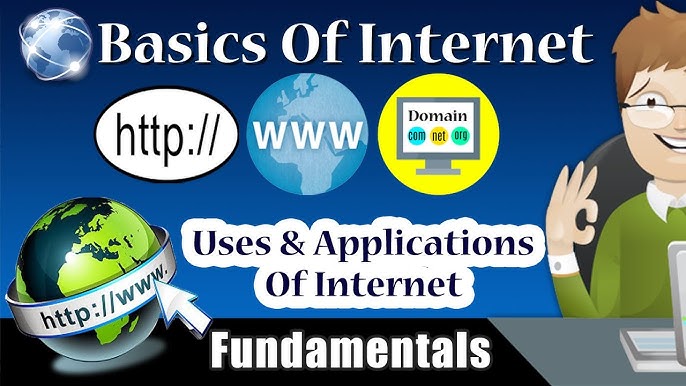

The internet has become an essential part of everyday life. From downloading apps and browsing websites to streaming videos and shopping online, we use the internet constantly. However, for beginners, many internet-related terms can be confusing and overwhelming. Understanding basic internet terminology can help you use the web more confidently, safely, and efficiently.
In this guide, apkw8.org explains the most important basic internet terms every beginner should know, using simple language and practical examples.
1. Internet
The internet is a global network that connects millions of computers, smartphones, and servers around the world. It allows people to share information, communicate, download apps, watch videos, and access websites from anywhere.
Simply put, the internet is the foundation that makes online activities possible.
2. Website
A website is a collection of web pages available on the internet. Websites contain information, images, videos, downloads, and tools. Examples include Google, Facebook, YouTube, and apkw8.org.
Websites are accessed using a web browser and are identified by a unique address called a URL.
3. URL (Uniform Resource Locator)
A URL is the web address used to locate a website or page on the internet. For example:
https://www.apkw8.org
A URL tells your browser where to find specific content online.
4. Web Browser
A web browser is a software application used to access and view websites. Popular web browsers include:
- Google Chrome
- Mozilla Firefox
- Microsoft Edge
- Safari
- Opera
Without a browser, you cannot explore websites or download online content.
5. Search Engine
A search engine helps users find information on the internet. When you type keywords into a search engine, it displays relevant websites and pages.
Popular search engines include:
- Bing
- Yahoo
Search engines make it easier to discover apps, tutorials, news, and websites like apkw8.org.
6. Download
Downloading means saving files from the internet to your device. Files can include apps, games, images, videos, documents, and music.
On apkw8.org, downloading usually refers to saving APK files so users can install Android apps manually.
7. Upload
Uploading is the opposite of downloading. It means sending files from your device to the internet, such as uploading photos to social media or sharing documents via email.
8. APK File
An APK (Android Package Kit) is the file format used to install apps on Android devices. When you download apps from outside the Google Play Store, they are usually in APK format.
Websites like apkw8.org provide APK files for users who want:
- Older versions of apps
- Modified apps
- Apps not available in their region
9. Wi-Fi
Wi-Fi is a wireless technology that allows devices to connect to the internet without cables. It is commonly used at home, offices, cafes, and public places.
Wi-Fi is faster and more affordable than mobile data for downloading large files or streaming content.
10. Mobile Data
Mobile data allows smartphones to connect to the internet using a cellular network (3G, 4G, or 5G). Unlike Wi-Fi, mobile data is provided by telecom companies and usually has usage limits.
11. IP Address
An IP address is a unique number assigned to each device connected to the internet. It helps identify devices and enables communication between them.
Think of an IP address as a digital home address for your device.
12. Cloud Storage
Cloud storage allows users to store files online instead of on their device. Popular cloud storage services include:
- Google Drive
- Dropbox
- OneDrive
Cloud storage helps save device space and allows access to files from anywhere.
13. HTTPS
HTTPS stands for Hypertext Transfer Protocol Secure. It means the website uses encryption to protect user data.
When visiting any website, especially for downloads or personal information, always look for HTTPS in the URL for better security.
14. Cookies
Cookies are small data files stored by websites on your device. They help remember user preferences, login details, and browsing activity.
Cookies improve user experience but can also be used for advertising and tracking.
15. Cache
Cache is temporary data stored by browsers and apps to help them load faster. Over time, cache files may take up space or cause app issues.
Clearing cache can improve performance without deleting important data.
16. Malware
Malware is harmful software designed to damage devices or steal personal information. Examples include viruses, spyware, and ransomware.
To stay safe:
- Download apps from trusted sources like apkw8.org
- Use antivirus software
- Avoid suspicious links
17. VPN (Virtual Private Network)
A VPN protects your online privacy by hiding your IP address and encrypting your internet connection. VPNs are useful for:
- Secure browsing
- Accessing restricted content
- Protecting personal data
18. Streaming
Streaming means watching or listening to content online without downloading it. Popular streaming platforms include YouTube, Netflix, and Spotify.
Streaming requires a stable internet connection.
19. Social Media
Social media platforms allow users to connect, share content, and communicate online. Examples include:
- Twitter (X)
- TikTok
Social media plays a major role in modern digital communication.
20. Update
An update is a newer version of an app or software that improves features, performance, or security. Keeping apps updated ensures better stability and protection.
Final Thoughts
Understanding basic internet terms is essential for beginners navigating the digital world. These terms help users browse safely, download apps confidently, and make better use of online services. Whether you are searching for apps, learning new technologies, or exploring APK downloads, having this knowledge will enhance your online experience.
At apkw8.org, we aim to provide helpful guides, safe APK downloads, and valuable information for users of all experience levels. Keep learning, stay safe, and enjoy the internet with confidence.