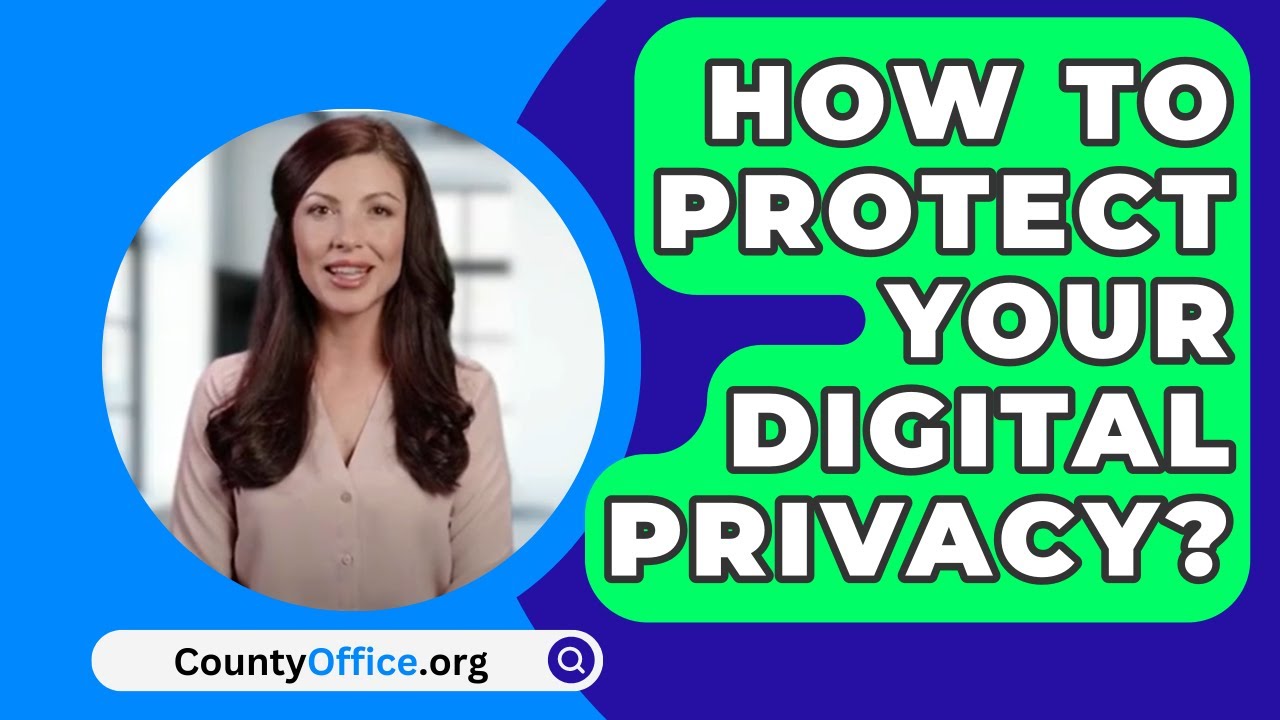

In today’s connected world, digital privacy has become one of the most important concerns for internet users. From social media platforms and mobile apps to online shopping and cloud storage, our personal information is constantly being collected, shared, and stored. Understanding what digital privacy is and how to protect it is essential for staying safe online.
This article explains the meaning of digital privacy, why it matters, common threats to your data, and practical steps you can take to protect your personal information in the digital age.
What Is Digital Privacy?
Digital privacy refers to the protection of personal information that is created, stored, and shared through digital devices and online services. This includes data such as:
- Full name, email address, and phone number
- Login credentials and passwords
- Location data and IP address
- Browsing history and search queries
- Financial information like credit card details
- Photos, videos, and private messages
Whenever you use a smartphone, install an app, browse a website, or sign up for an online service, you generate digital data. Digital privacy ensures that this data is collected responsibly, stored securely, and used only with your consent.
Why Digital Privacy Is Important
Digital privacy is not just about hiding information—it is about control and security. Here are some key reasons why digital privacy matters:
1. Protection from Identity Theft
Cybercriminals can steal personal data to commit fraud, open fake accounts, or access bank details. Strong digital privacy reduces this risk.
2. Personal Safety
Location tracking and data leaks can expose your daily habits and movements, putting your physical safety at risk.
3. Freedom and Control
Privacy allows individuals to browse, communicate, and express opinions freely without constant surveillance or profiling.
4. Data Misuse Prevention
Companies may sell or share your data for advertising, analytics, or third-party services without clear permission.
Common Threats to Digital Privacy
Understanding digital privacy threats helps you stay alert and protected.
Malware and Spyware
Malicious software can track your activities, steal passwords, and access private files without your knowledge.
Phishing Attacks
Fake emails, messages, or websites trick users into revealing sensitive information such as login credentials or banking details.
Unsecured Public Wi-Fi
Public networks in cafes, airports, or hotels are often unencrypted, making it easy for hackers to intercept data.
Data Breaches
Even trusted companies can suffer data leaks, exposing millions of users’ personal information.
Excessive App Permissions
Many apps request access to contacts, location, storage, and microphones even when it’s unnecessary.
How Companies Collect Your Data
Most websites and apps collect data through:
- Cookies and tracking pixels
- Account registrations
- App usage analytics
- Location services
- Social media integrations
While some data collection improves user experience, excessive tracking can invade privacy. Reading privacy policies and understanding permissions is crucial.
How to Protect Your Digital Privacy
Here are practical and effective ways to protect your digital privacy online:
1. Use Strong and Unique Passwords
Create complex passwords using a mix of letters, numbers, and symbols. Avoid using the same password across multiple platforms. Password managers can help store them securely.
2. Enable Two-Factor Authentication (2FA)
2FA adds an extra security layer by requiring a second verification step, such as a code sent to your phone or email.
3. Be Careful with App Permissions
Only grant permissions that are necessary for the app to function. Regularly review and revoke unnecessary access.
4. Use a VPN
A Virtual Private Network (VPN) encrypts your internet connection, hides your IP address, and protects your data—especially on public Wi-Fi.
5. Keep Software Updated
Security updates fix vulnerabilities. Always update your operating system, apps, and antivirus software.
6. Avoid Clicking Suspicious Links
Do not click on unknown links or download attachments from untrusted sources. Always verify the sender.
7. Adjust Privacy Settings
Social media platforms and browsers offer privacy controls. Limit who can see your posts, profile details, and activity.
8. Use Secure Browsers and Search Engines
Privacy-focused browsers and search engines block trackers and reduce data collection.
Digital Privacy on Mobile Devices
Smartphones collect a large amount of personal data. To improve mobile privacy:
- Disable unnecessary location services
- Review app permissions regularly
- Install apps only from trusted sources
- Avoid modified or suspicious apps
- Use screen locks, fingerprints, or face recognition
For Android users who download apps outside official stores, it’s especially important to verify sources carefully.
The Role of Digital Awareness
Digital privacy is not just about tools—it’s about awareness. Understanding how your data is used helps you make smarter decisions online. Teaching children and family members about online privacy is also essential in today’s digital world.
Final Thoughts
Digital privacy is a fundamental part of online safety. As technology continues to evolve, protecting personal data becomes more challenging—but also more important. By using strong security practices, being cautious online, and staying informed, you can significantly reduce privacy risks.
At apkw8.org, promoting safe and informed digital usage is essential. Whether you’re downloading apps, browsing content, or exploring new tools, understanding digital privacy empowers you to stay protected in the modern internet landscape.