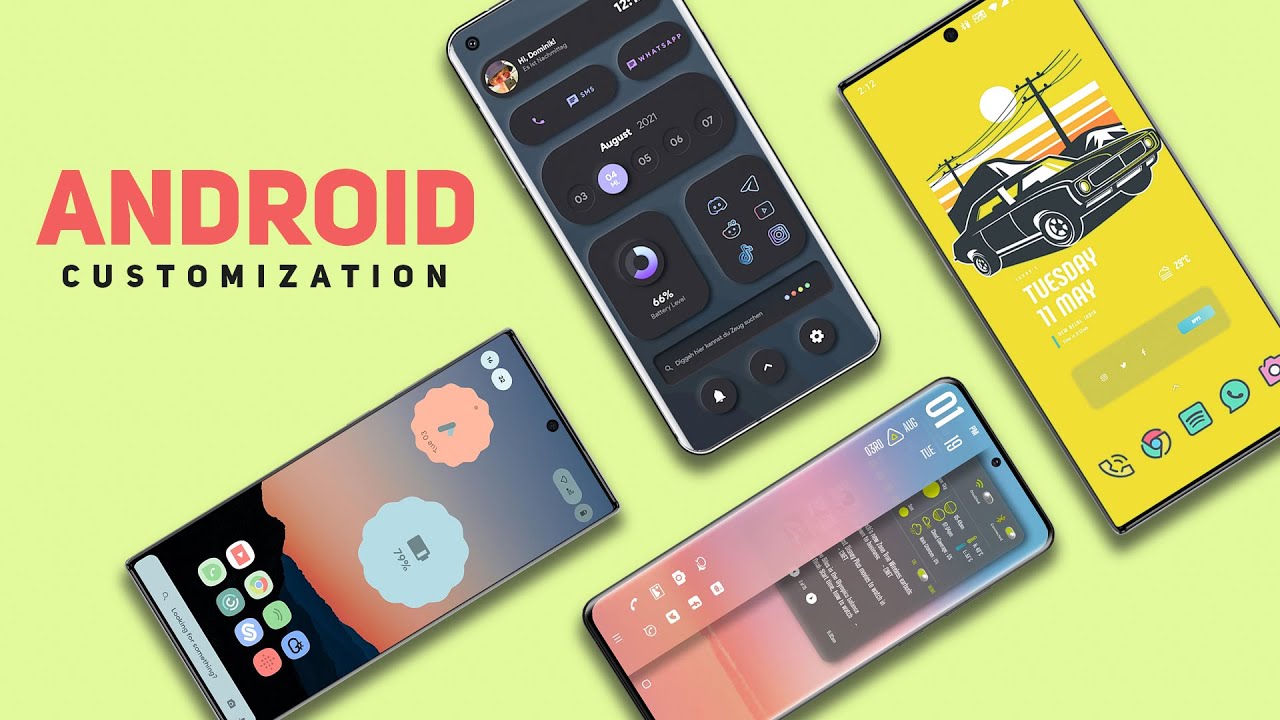

In today’s fast-paced digital world, smartphones have become an essential part of our daily lives. From social media and gaming to productivity and online learning, apps play a major role in how we use our devices. However, many users complain about slow performance, lag, battery drain, and overheating — and the surprising truth is that poor app settings are often the main reason.
Most people install apps and never touch their settings again. But by simply customizing app settings the right way, you can significantly boost performance, improve speed, extend battery life, and reduce data usage without installing any extra apps.
In this detailed guide, you’ll learn how to customize app settings for better performance, step by step. Whether you’re using a low-end Android phone or a high-end flagship device, these tips will help you get the best possible experience.
Why App Settings Matter for Performance
Apps are designed to work on millions of devices, so their default settings are usually generic — not optimized for your phone. Many apps:
- Run in the background constantly
- Sync data too frequently
- Use high-quality graphics unnecessarily
- Consume excessive battery and RAM
By adjusting these settings, you allow your phone to use resources more efficiently.
Key Benefits of Customizing App Settings
- Faster app launch times
- Smoother performance and fewer lags
- Improved battery life
- Reduced mobile data usage
- Less overheating
1. Limit Background App Activity
One of the biggest performance killers is background activity. Many apps continue running even when you’re not using them.
How to Restrict Background Activity
- Go to Settings → Apps
- Select the app you want to optimize
- Tap Battery
- Choose Restrict or Limit background usage
This prevents apps from consuming RAM and CPU unnecessarily.
Apps You Should Restrict
- Social media apps (Facebook, Instagram, TikTok)
- Shopping apps
- News apps
- Games
⚠️ Note: Don’t restrict messaging or essential system apps, or you may miss notifications.
2. Optimize App Battery Settings
Battery drain often comes from apps running with high power consumption settings.
Steps to Optimize Battery Usage
- Open Settings → Battery → App battery usage
- Identify apps with high battery usage
- Switch them to Optimized or Restricted
Some apps offer in-app battery settings — always check those too.
3. Turn Off Unnecessary Notifications
Notifications may seem harmless, but they constantly wake your device, using CPU, internet, and battery.
How to Customize Notifications
- Go to Settings → Notifications
- Select an app
- Turn off non-essential notifications like:
- Promotions
- Recommendations
- Updates
- Offers
This not only improves performance but also reduces distractions.
4. Reduce In-App Animations and Visual Effects
Animations look good but consume processing power, especially on low-end devices.
Disable or Reduce Animations
- Inside apps:
- Turn off auto-play videos
- Disable high-quality animations
- System-wide (optional):
- Enable Developer Options
- Reduce animation scale to 0.5x
This makes apps feel faster and more responsive.
5. Customize App Sync Settings
Apps frequently sync data in the background, which impacts performance and battery life.
How to Control Sync Frequency
- Go to Settings → Accounts
- Select the app or account
- Turn off unnecessary sync options
- Change sync frequency from real-time to manual where possible
This is especially useful for email, cloud storage, and social media apps.
6. Clear App Cache Regularly
Cached data helps apps load faster, but over time, excessive cache can slow them down.
How to Clear App Cache
- Go to Settings → Apps
- Select the app
- Tap Storage
- Choose Clear Cache
🟢 Tip: Clear cache — not data. Clearing data will reset the app.
7. Use Lite or Optimized App Versions
Many popular apps have Lite versions designed for better performance.
Examples of Lite Apps
- Facebook Lite
- Messenger Lite
- YouTube Lite / YouTube Revanced Lite
- Google Go
These apps:
- Use less RAM
- Consume less battery
- Work smoothly on low-spec devices
For APK users, trusted sources like apkw8.org often provide optimized versions.
8. Disable Auto-Updates for Apps
Auto-updates can slow down your phone, especially when multiple apps update at once.
How to Control App Updates
- Open Google Play Store
- Go to Settings → Network preferences
- Set Auto-update apps to:
- Over Wi-Fi only
- Or Don’t auto-update
Manual updates give you better control over performance and data usage.
9. Adjust In-App Quality Settings
Many apps allow you to choose performance over quality.
Examples
- Video apps: Set streaming quality to 720p
- Games: Reduce graphics to Medium or Low
- Social media: Disable HD uploads and auto-play videos
These changes dramatically improve smoothness and reduce heating.
10. Remove Unused Permissions
Some apps request unnecessary permissions that allow them to run background processes.
How to Manage Permissions
- Go to Settings → Privacy → Permission Manager
- Review permissions like:
- Location
- Camera
- Microphone
- Remove permissions that aren’t needed
This improves both performance and security.
11. Uninstall or Disable Bloatware
Pre-installed apps (bloatware) often run silently in the background.
What You Can Do
- Uninstall unused system apps (if allowed)
- Disable apps you never use
- Stop them from running in the background
This frees up RAM and storage space.
12. Enable Data Saver Mode in Apps
Data saver modes reduce background activity and improve performance.
Apps with Data Saver Options
- Chrome
- YouTube
- Twitter (X)
Turn this on to reduce resource usage and improve speed.
13. Keep Apps Updated (Smartly)
While auto-updates can be heavy, outdated apps may also cause performance issues.
Best Practice
- Update apps manually once or twice a month
- Read update notes for performance improvements
- Avoid beta versions unless necessary
14. Restart Apps and Device Regularly
Sometimes the simplest solution is the most effective.
Why Restarting Helps
- Clears temporary RAM usage
- Stops stuck background processes
- Improves overall responsiveness
Restart your phone at least once a week.
Common Mistakes to Avoid
❌ Using too many “booster” apps
❌ Clearing app data instead of cache
❌ Restricting essential system apps
❌ Installing apps from untrusted sources
Final Thoughts
Customizing app settings is one of the most effective and safest ways to improve your smartphone’s performance. You don’t need root access, expensive devices, or third-party booster apps. With a few smart adjustments, you can make your phone faster, smoother, and more efficient.
Whether you’re a casual user or a tech enthusiast, taking control of app settings will give you a noticeably better experience.
For more Android optimization tips, APK guides, and performance hacks, stay connected with apkw8.org — your trusted source for smart Android solutions.