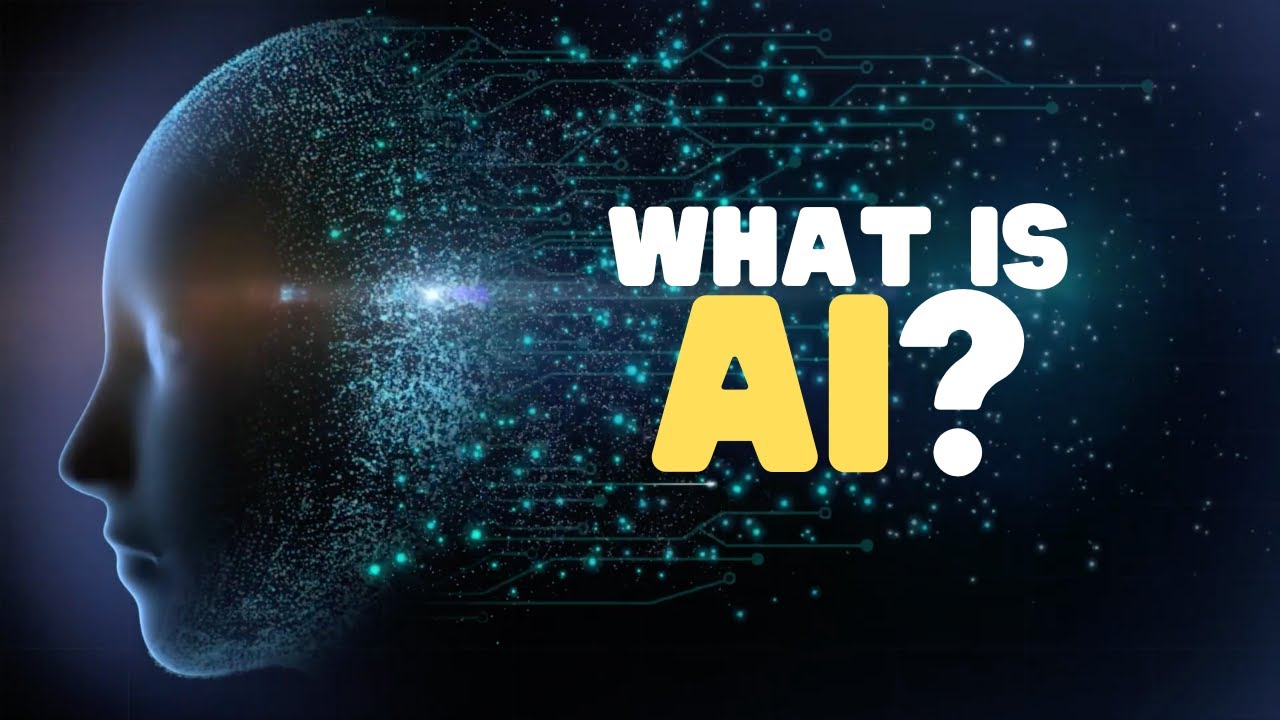

Artificial Intelligence (AI) is one of the most talked-about technologies in today’s digital world. From smartphones and social media to online shopping and gaming, AI is everywhere. But what exactly is Artificial Intelligence, and why is it so important? This easy guide will help beginners understand AI in a simple and clear way.
What Is Artificial Intelligence?
Artificial Intelligence (AI) is a branch of computer science that focuses on creating machines and software that can think, learn, and make decisions like humans. In simple words, AI allows computers to act smart.
AI systems are designed to perform tasks such as:
- Understanding human language
- Recognizing images and faces
- Making predictions
- Solving problems
- Learning from experience
Unlike traditional programs that follow fixed rules, AI systems can improve themselves over time using data.
How Does Artificial Intelligence Work?
Artificial Intelligence works by using large amounts of data, algorithms, and computing power. The process usually includes:
- Data Collection – AI systems learn from data such as text, images, videos, or numbers.
- Algorithms – These are instructions that tell the computer how to process the data.
- Machine Learning – AI analyzes data patterns and learns from them.
- Decision Making – Based on what it has learned, AI makes predictions or decisions.
The more data an AI system receives, the smarter it becomes.
Types of Artificial Intelligence
There are mainly three types of Artificial Intelligence:
1. Narrow AI (Weak AI)
This type of AI is designed for a specific task. It cannot think beyond its programmed function. Examples include:
- Voice assistants like Siri and Google Assistant
- Recommendation systems on YouTube and Netflix
- Face recognition on smartphones
Most AI systems today fall under Narrow AI.
2. General AI (Strong AI)
General AI can think and learn like a human. It can perform any intellectual task that a human can do. This type of AI does not exist yet but is being researched.
3. Super AI
Super AI would be more intelligent than humans in every aspect, including creativity and decision-making. This is still a theoretical concept and part of future discussions.
What Is Machine Learning?
Machine Learning (ML) is a subset of Artificial Intelligence. It allows machines to learn from data without being explicitly programmed.
For example:
- Email spam filters learn which emails are spam
- Shopping apps suggest products based on your behavior
Machine Learning improves accuracy over time as it processes more data.
What Is Deep Learning?
Deep Learning is a more advanced form of Machine Learning. It uses artificial neural networks inspired by the human brain. Deep Learning is used in:
- Image recognition
- Speech recognition
- Self-driving cars
- Medical diagnosis
Deep Learning requires powerful hardware and large datasets to function effectively.
Real-Life Examples of Artificial Intelligence
Artificial Intelligence is already part of our daily lives. Some common examples include:
- Smartphones – Face unlock, voice commands, camera filters
- Social Media – Content recommendations and targeted ads
- Online Shopping – Product suggestions and price predictions
- Gaming – AI opponents that adapt to player behavior
- Healthcare – Disease detection and medical image analysis
These examples show how AI improves efficiency and user experience.
Benefits of Artificial Intelligence
Artificial Intelligence offers many advantages, including:
- Automation – Reduces human effort by automating tasks
- Accuracy – Minimizes errors in calculations and predictions
- Speed – Processes data much faster than humans
- 24/7 Availability – AI systems can work without breaks
- Better Decision Making – Analyzes large data sets effectively
Because of these benefits, AI is widely used across industries.
Disadvantages of Artificial Intelligence
Despite its benefits, AI also has some drawbacks:
- Job Loss – Automation may replace certain jobs
- High Cost – Developing AI systems is expensive
- Lack of Creativity – AI cannot think emotionally like humans
- Security Risks – AI can be misused for cyber attacks
- Dependence on Data – Poor data can lead to poor decisions
Understanding these limitations is important for responsible AI usage.
Is Artificial Intelligence Dangerous?
AI itself is not dangerous, but how humans use it matters. Ethical concerns include data privacy, bias, and misuse. Governments and organizations are working to create rules and guidelines to ensure AI is used safely and responsibly.
Future of Artificial Intelligence
The future of Artificial Intelligence looks very promising. AI is expected to:
- Improve healthcare diagnosis
- Enhance education through personalized learning
- Make transportation safer with self-driving vehicles
- Increase productivity in businesses
- Support smart cities and energy systems
As technology advances, AI will continue to shape the digital world.
How Can Beginners Learn Artificial Intelligence?
If you are new to AI, here are some simple steps to start learning:
- Understand basic concepts like data and algorithms
- Learn programming languages such as Python
- Explore online courses and tutorials
- Practice with small AI projects
- Stay updated with AI news and trends
You don’t need to be an expert to begin—curiosity is enough.
Conclusion
Artificial Intelligence is transforming the way we live and work. From simple daily tasks to complex problem-solving, AI plays a major role in modern technology. This beginner-friendly guide explains what AI is, how it works, its types, benefits, and future potential.
As AI continues to grow, understanding its basics will help you stay ahead in the digital age. Whether you are a student, tech enthusiast, or website visitor, learning about Artificial Intelligence is a valuable skill for the future.